
If you are stuck on light bee x vs l1e, you are asking the right question. These two Sur-Ron platforms share the same aggressive DNA, but they are built for very different kinds of riding. One leans hard into pure off-road freedom. The other adds road-focused equipment for riders who want more flexibility between pavement and dirt.
That difference matters more than spec-sheet shoppers sometimes expect. On paper, the bikes can look close. In real use, the Light Bee X and the Light Bee L1E create two distinct ownership experiences, especially if your week includes trails, neighborhood runs, backroad commuting, or plans for future upgrades.
Light Bee X vs L1E at a glance
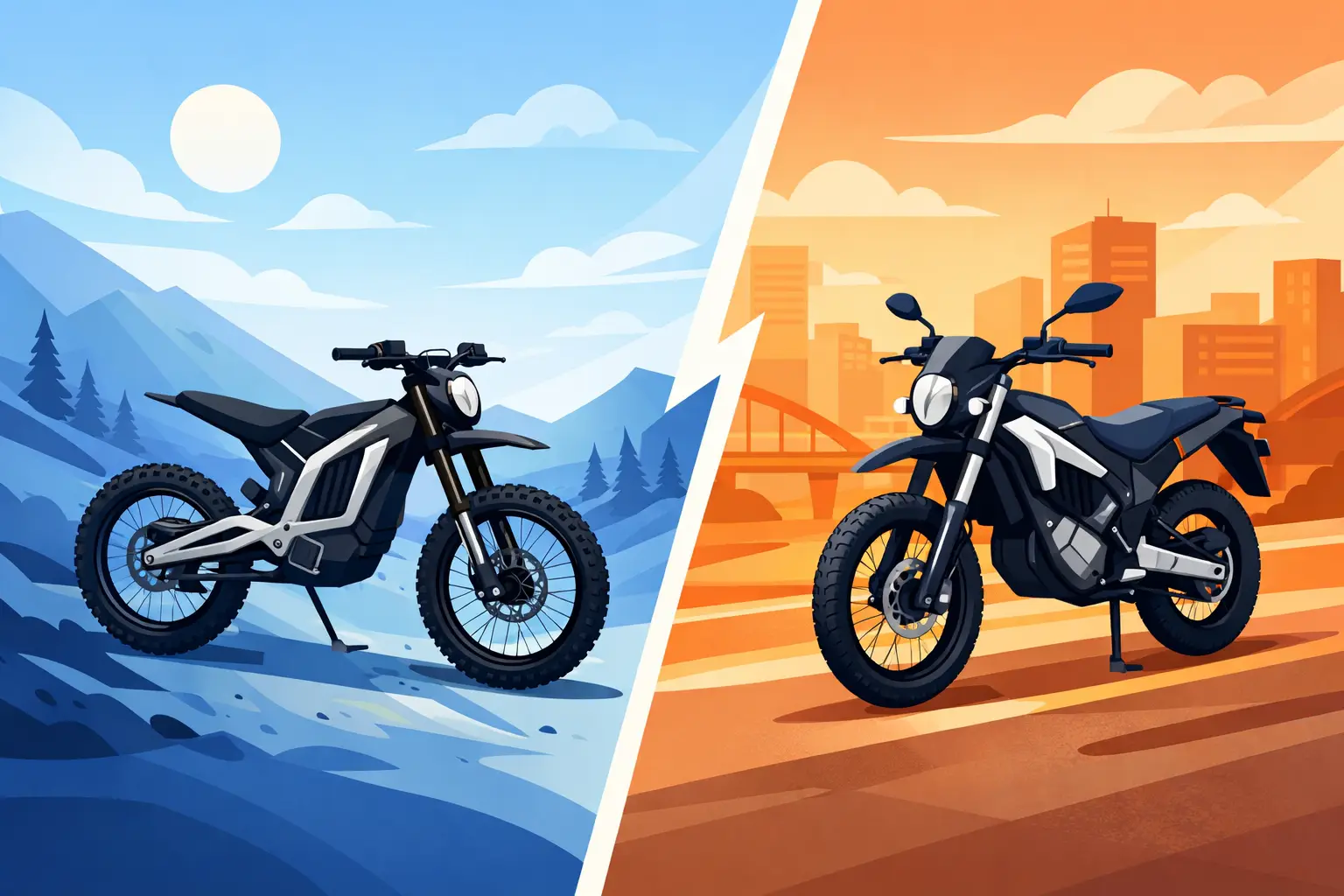
The fastest way to frame light bee x vs l1e is this: the Light Bee X is the sharper off-road weapon, while the L1E is the more practical dual-use option. If your priority is ripping dirt, staying light, and keeping the bike simple, the X usually wins. If you want a Sur-Ron feel with street-ready features, the L1E starts making a lot of sense.
Neither choice is automatically better. It depends on where you ride, how often you touch pavement, and whether you want a machine that is optimized for fun first or flexibility first.
What changes between the two bikes
At their core, both bikes come from the same compact, high-energy Sur-Ron formula. You get lightweight construction, instant electric torque, a slim profile, and the kind of flickable handling that makes bigger bikes feel heavy and slow to react. That is the good news because either model still delivers the punch riders come to Sur-Ron for.
The split starts with equipment and intended use. The Light Bee X is typically the off-road version. It is aimed at riders who want to attack trails, cut through loose terrain, and keep things focused on performance. The L1E is generally the road-legal or road-oriented version in markets where that setup applies, with the added hardware and compliance pieces that make it better suited to mixed riding.
That means the L1E often carries features such as lighting packages, mirrors, turn signals, a plate mount, and other components that support road use. Those details may sound small, but they change the day-to-day feel of the bike. They add convenience and versatility, but they can also add weight, visual clutter, and a little less of that stripped-down dirt-bike attitude.
Off-road performance: where the Light Bee X usually pulls ahead
If your weekends are built around trails, the Light Bee X has a natural edge. Riders love it because it feels direct, light, and ready to move. Less road equipment usually means less to break, less to remove later, and fewer compromises when the terrain gets rough.
That cleaner setup matters when you are riding hard. A bike that is purpose-built for off-road use tends to feel more playful in tight sections and easier to manage when you are hopping over ruts, carving loose corners, or correcting lines quickly. For newer riders, that can mean more confidence. For experienced riders, it means a better platform for pushing harder.
The X also appeals to the upgrade crowd. If your plan includes suspension work, brake upgrades, tires, bars, pegs, controller tuning, or battery improvements, starting with the more off-road-focused platform can feel like the smarter move. You are building from a machine that already aligns with your main mission.
Street use and convenience: where the L1E earns its place
The L1E is for the rider who does not want every trip to start with loading a truck or trailer. If you need to connect sections of road, roll through town, or use the bike for short commuting with trail potential on the other side, the L1E is the more practical call.
That added practicality changes ownership in a big way. Instead of a bike that is mainly a toy or dedicated dirt machine, the L1E can become part of your routine. That opens the door for riders who want one bike to cover more ground, even if it gives up a little of the raw simplicity that makes the X so appealing.
There is a trade-off, though. Riders chasing the purest off-road experience may see the L1E as carrying extra equipment they do not need. If you mostly ride dirt and only touch pavement to move the bike around briefly, those added features may feel like a compromise instead of an advantage.
Light Bee X vs L1E for commuting
For commuting, the L1E is usually the better fit. That is the simple answer, but it is worth unpacking why.
Commuters need predictability and legality, not just excitement. They want visibility, road-friendly controls, and a bike that feels at home in regular traffic situations. The L1E is better positioned for that role because it was built with more real-world road use in mind.
The Light Bee X can still be tempting for urban riders because it is light, fast-reacting, and seriously fun in a city environment. But if your commute is more than occasional neighborhood use, the missing street-focused equipment can become the deciding factor. The X is exciting. The L1E is easier to live with if pavement is a real part of your riding life.
Comfort, range, and daily ownership
Comfort is not just about the seat. It is about how the bike fits your routine.
The X often feels more minimal and more dirt-oriented. That is great when your goal is active riding and aggressive inputs. It can be less ideal if you expect the bike to handle repeated road miles or more casual everyday use. The L1E, by comparison, tends to suit riders who want more all-around usability.
Range depends on battery condition, terrain, rider weight, speed, tire setup, and how hard you twist the throttle. In other words, there is no magic winner without knowing how you ride. Off-road riding usually eats battery faster than casual street cruising, so a trail-focused rider on an X may see very different results from a commuter on an L1E, even if the battery platform is similar.
This is where honest buying matters. If you say you want maximum range but spend every ride in full-send mode on loose terrain, your real-world result will not match your fantasy. Buy for your use case, not your best-case scenario.
Upgrades and aftermarket potential
This is one reason the Sur-Ron crowd gets hooked. Both bikes have strong upgrade appeal, but the Light Bee X usually gets the nod from riders who plan to build aggressively.
The reason is simple. The X starts closer to the stripped, performance-first setup that a lot of enthusiasts want. If your long-term plan includes more power, harder suspension hits, improved braking, and custom contact points, it feels like a cleaner canvas.
That does not mean the L1E is a dead end. Far from it. It can still be upgraded in major ways, and for some riders it is the smarter platform because they want to keep road capability while sharpening performance. The right answer depends on whether your end goal is a dual-role machine or a more focused off-road build.
For riders shopping with future parts support in mind, buying from a specialist retailer matters. Having access to replacement components, batteries, wear items, and model-specific upgrades can make ownership easier and faster when it is time to repair, refresh, or push performance higher.
Who should buy the Light Bee X
Buy the Light Bee X if your main goal is dirt performance, low weight, and maximum fun per ride. It is the better match for riders who want a bike that feels lively, easy to throw around, and ready for trail sessions right out of the gate.
It also makes sense for riders who already know they want to mod the bike. If you are the type who starts thinking about tires, sprockets, brake pads, pegs, bars, and power upgrades before the bike even lands in your garage, the X is hard to ignore.
Who should buy the L1E
Buy the L1E if you want a Sur-Ron that can cover more than one mission. It fits riders who need road-oriented equipment, expect to spend meaningful time on pavement, or want a machine that feels more practical in everyday use.
It is also a smart choice for riders who love the Sur-Ron platform but are not chasing the most stripped-down off-road setup. If flexibility matters as much as thrill, the L1E earns its keep.
The real choice comes down to your riding map
Most buyers overcomplicate this decision. The answer is usually sitting in your weekly ride pattern. If most of your map is dirt, pick the Light Bee X. If your map blends roads, short commutes, and mixed-use riding, the L1E is probably the better move.
At SurronBikesZone, this is the kind of decision that separates a bike you like from a bike you keep riding every chance you get. Buy the version that matches where your tires will actually go, and you will feel the difference every time you hit the throttle.